
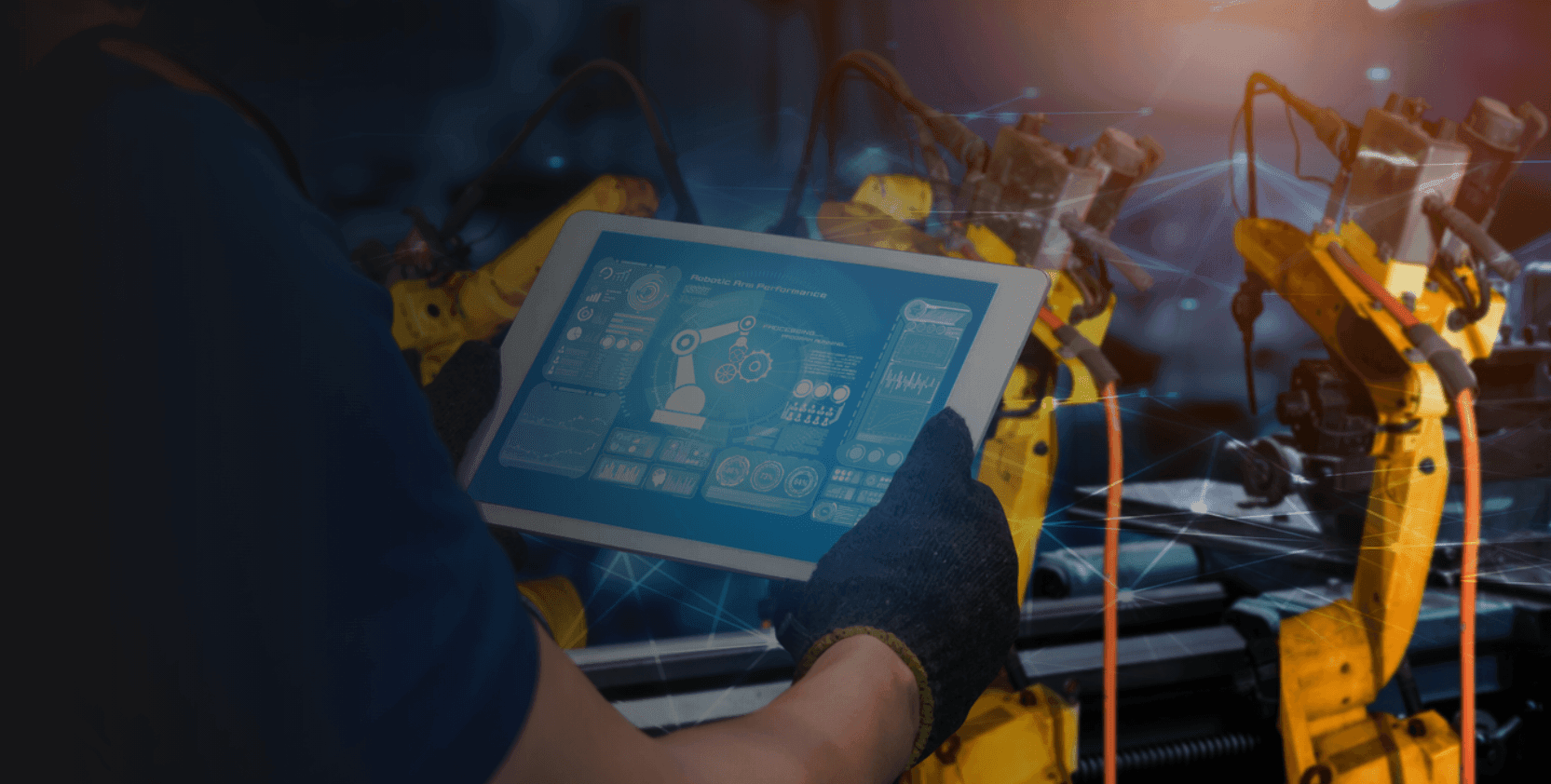
Industrial asset onboarding has become a nightmare for many organizations. Picture this: your facility receives a new piece of equipment worth millions of dollars, complete with thousands of pages of technical documentation, specifications sheets, and maintenance manuals. Your team spends weeks manually entering data, cross-referencing systems, and training operators—only to discover errors that could have been avoided. This scenario plays out daily across manufacturing plants, energy facilities, and industrial sites worldwide.
The solution isn't hiring more people or working longer hours. It's embracing domain-trained LLMs—specialized AI language models that understand the nuances of industrial environments. These aren't your typical chatbots. They're sophisticated systems trained on industry-specific data that can revolutionize how we manage asset onboarding, making it faster, more accurate, and significantly more efficient.
The Asset Onboarding Challenge That's Costing Industries Billions
Industrial asset onboarding presents unique challenges that generic solutions simply can't address. Let's examine the core problems plaguing organizations today.
1. Complex Documentation Overload
Modern industrial equipment comes with extensive documentation that can overwhelm even experienced teams. A single turbine might arrive with 1,000+ pages of technical specifications, safety protocols, and operational procedures. Traditional approaches require manual review and data entry, creating bottlenecks that delay commissioning and increase project costs.
2. Manual Errors That Multiply Over Time
Human error during asset onboarding creates cascading problems throughout an asset's lifecycle. According to McKinsey research, manual data entry errors cost industrial companies up to 15% of their annual revenue. A single misclassified component or incorrect specification can lead to maintenance issues, compliance failures, and unexpected downtime years later.
3. Lack of Standardization Across Systems
Most organizations operate multiple asset management systems that don't communicate effectively. One department might use SAP while another relies on legacy systems, creating data silos that complicate asset onboarding. This fragmentation makes it difficult to maintain consistent asset information and creates compliance risks.
4. Extended Training Cycles That Delay Operations
New asset onboarding often requires extensive training for operators and maintenance teams. Without proper knowledge transfer, organizations face extended ramp-up periods that delay full operational capacity and impact productivity. The complexity of modern industrial systems only amplifies this challenge.
What Makes Domain-Trained LLMs Different?
A domain-trained LLM is a specialized AI language model that's been trained on industry-specific data, terminology, and processes. Unlike general-purpose LLMs like ChatGPT, these systems understand the context and nuances of industrial environments.
Think of the difference this way: a general-purpose LLM might recognize the word "valve" as a plumbing component, but a domain-trained LLM for oil and gas knows the specific valve types, pressure ratings, materials, and maintenance requirements relevant to petrochemical operations.
Domain-trained LLMs learn from:
- Technical manuals and specifications
- Industry standards and regulations
- Historical maintenance data
- Operational procedures
- Safety protocols
This specialized training enables them to process industrial documentation with unprecedented accuracy and context awareness.
How Domain-Trained LLMs Transform Asset Onboarding?
The transformation begins with intelligent automation that understands industrial complexity.
- Automated Data Extraction and Processing
Domain-trained LLMs can automatically extract critical information from technical documentation, including specifications, part numbers, maintenance schedules, and safety requirements. Instead of manual data entry taking weeks, these systems can process thousands of pages in hours while maintaining high accuracy rates.
- Enhanced Accuracy in Asset Mapping
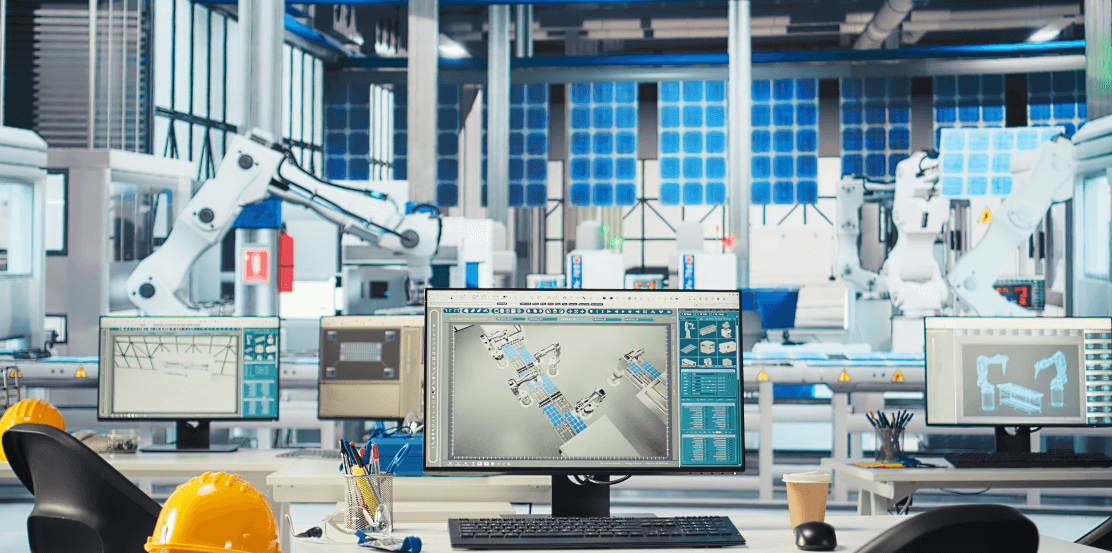
These AI systems excel at mapping new assets to existing organizational structures. They understand equipment hierarchies, relationships between components, and how new assets integrate with current systems. This contextual understanding reduces mapping errors that typically plague manual processes.
- Accelerated Process Workflows
These trained LLMs streamline the entire onboarding workflow by automatically generating work orders, updating maintenance schedules, and creating operational procedures. They can also validate data against industry standards and flag potential issues before they become problems.
- Superior Knowledge Retention and Transfer
Unlike human operators who might forget details or leave organizations, the language models retain comprehensive knowledge about every asset. They can instantly provide historical context, maintenance recommendations, and operational insights to support decision-making throughout an asset's lifecycle.
Real-World Applications Across Industries
Domain-trained LLMs are already transforming asset onboarding across various sectors.
- Manufacturing Excellence
Manufacturing facilities use these LLMs to onboard production equipment, automatically generating maintenance schedules aligned with production requirements and identifying potential bottlenecks before they impact operations.
- Energy Sector Innovation
Power generation companies leverage these systems to manage complex turbine onboarding, ensuring compliance with stringent safety regulations while optimizing maintenance strategies based on operational patterns.
- Utilities Infrastructure Management
Water treatment facilities and power distribution networks use LLMs to manage infrastructure onboarding, maintaining accurate records of pipeline networks, electrical systems, and treatment equipment.
- Facility Management Optimization
Commercial and industrial facility managers employ these systems to onboard HVAC systems, security equipment, and building automation systems, creating comprehensive facility intelligence platforms.
- Oil and Gas Operations
Petrochemical facilities use domain-trained LLMs to manage complex refinery equipment onboarding, ensuring safety compliance while optimizing operational efficiency across processing units.
The Future Outlook: Why Domain-Trained LLMs Are Essential
The industrial landscape is evolving rapidly, and LLMs will play a crucial role in several key areas.
As operational technology (OT) systems increasingly integrate with information technology (IT) and Internet of Things (IoT) devices, domain-trained LLMs will serve as intelligent bridges, understanding the context and requirements of each domain while facilitating seamless integration.
Predictive Maintenance Evolution

Future LLMs will not only manage asset onboarding but also predict maintenance needs based on historical patterns, operational data, and environmental factors. This proactive approach will minimize downtime and extend asset lifecycles.
As digital twins become standard practice, LLMs will manage the complex process of creating and maintaining these virtual representations, ensuring accuracy between physical assets and their digital counterparts. The convergence of these technologies position domain-trained LLMs as essential infrastructure for modern industrial operations.
Conclusion: Embracing the Future of Asset Onboarding
Domain-trained LLMs represent more than just technological advancement—they're the foundation for next-generation asset management strategies. Organizations that embrace these specialized AI systems gain competitive advantages through faster onboarding, improved accuracy, and enhanced operational intelligence.
The question isn't whether these LLMs will become standard practice, but how quickly forward-thinking organizations will implement them to gain first-mover advantages. As industrial complexity continues to grow and the need for efficient asset management intensifies, these trained language models will become indispensable tools for successful operations.
The future of industrial asset onboarding is here, and it's powered by intelligent systems that understand your industry as well as your best engineers—but working 24/7 without vacation days or sick leave. The time to begin your transformation is now.

