

Preventive maintenance scheduling is a routine procedure used by most businesses, which involves fixing a day for the maintenance of building assets. Running business operations involves maintaining building assets that contribute actively towards productivity. Poorly managed assets are the hotspots of downtime, decreased productivity, delayed service deliveries, and financial liabilities.
7 Best Approaches in Preventive Maintenance Scheduling
Preventive maintenance scheduling is performed to ensure the healthy functioning of the building assets and rule out chances of unexpected breakdowns. This technique works based on certain concepts that help businesses efficiently run business operations.
As per the Quadrennial Technology review, commercial spaces contribute to 40% of the total energy consumption in the USA. Efficient maintenance of building assets leads to energy savings and productive workspaces, which in turn leads to profitability.
1. Prioritizing tasks
An efficient workspace is not only about streamlined processes and operations but also about effectively handling scheduled maintenance tasks based on priority. Whether it comes to production or asset maintenance, a business needs to take required action as and when a situation arises. A preventive maintenance planner helps you choose what needs your immediate attention out of scheduled maintenance tasks.
2. Choosing a strategy
Each asset has its own breakdown and maintenance cycles. The assets that will not break down unexpectedly may just need maintenance scheduling at predetermined intervals. On the contrary, others that wear out after some usage cycle or time need constant monitoring and require condition-based maintenance.
3. Staying ready
For the smooth running of facility operations, a business needs to be prepared with a team of staff, tools, and materials. Preventive maintenance planner comes with APIs that integrate all the resources of a building for easy, efficient, and fast deployment in times of need.
4. Monitoring schedules
Knowing whether the issues are fixed on time keeps you in a better position to oversee the success of your preventive maintenance scheduling. This technique not only lets you detect potential issues of the assets, but also lets you track the functions, completions, and improvements of schedules. After an asset issue is fixed, floating preventive maintenance decides when should be the next service schedule.
5. Making data-driven Decisions
Routine maintenance procedures can be a huge drain on your time, effort, and resources. A preventive maintenance planner enables you to conduct maintenance activities by making decisions based on real-time asset data. This helps you attend scheduled maintenance tasks based on urgency, improve resource allocation, and avoid unnecessary maintenance procedures.
6. Real-time updates
Receiving timely updates about equipment status and maintenance operations can be invaluable in asset management. Preventive maintenance planners can standardize the operations by providing you with access to real-time data and bringing clarity to decision-making.
7. Technological tools
Preventive maintenance software can transform your operations by controlling how you manage your preventive maintenance scheduling. It helps you with tracking asset data, generating reports and insights, and keeping you well-placed to manage assets effectively.
How to Use Preventive Maintenance Software Effectively?
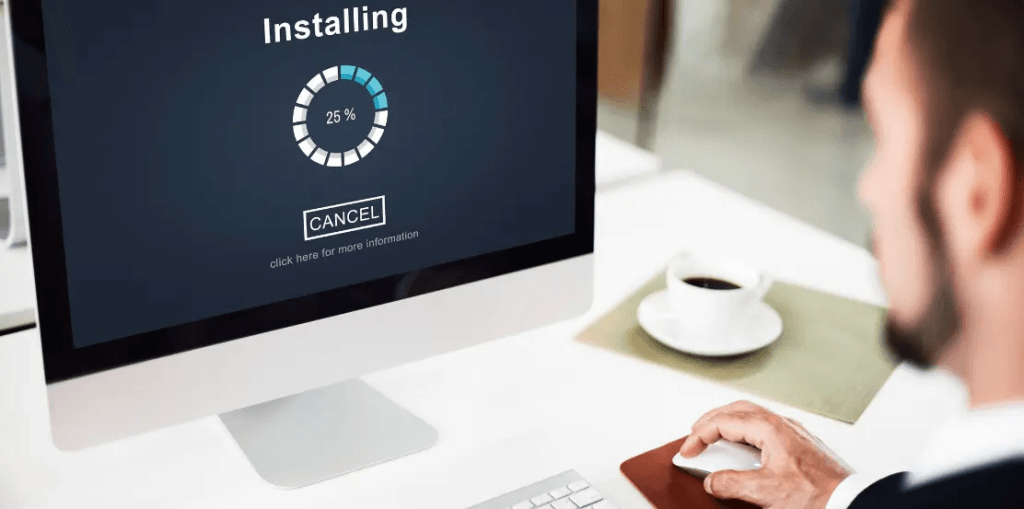 To get the maximum out of preventive maintenance software, a business needs to know the services covered by the software and carefully plan its installation.
1. Maintaining accurate data
Asset information can give reliable predictions and invaluable insights when it is complete, accurate, and updated. To make your preventive maintenance scheduling effective, maintain proper information on your building assets.
2. Setting up the software
A properly configured system works without hassles and ensures streamlined operations. Creating a system of asset hierarchy, issue criticality, and work order priority lets your preventive maintenance software understand how it is required to perform.
3. Integrating with business systems
Managing building assets using preventive maintenance software involves dealing with systems such as lighting and security which function quite differently. Most of these systems are digital and can be easily integrated with maintenance software for optimized operations.
4. Training the users
For an untrained staff, preventive maintenance scheduling may appear alien. Training the users for the new system creates a bridge for them to get familiar with and actively involved in the strategy.
5. Monitor the performance
Businesses can use preventive maintenance software dashboards to track things such as asset performance, equipment downtime, and work order completion. This can provide useful insights for the improvement of preventive maintenance strategies. Based on the history of an asset, floating preventive maintenance can be initiated for the next date of its service schedule.
Benefits of a Well-planned Preventative Maintenance Planner
A carefully planned and rolled-out Preventive Maintenance Planner can help businesses keep their facility operations well organized. It equips businesses with powerful tools to handle several challenges effectively and delivers them with huge cost savings too. Let us see how it benefits them.
1. Optimized assets, boosted productivity
Inefficient facility operations mean poor asset functionality, increased downtime, and decreased productivity. With effective preventive maintenance software, assets perform at their optimum levels, while downtime is considerably reduced and managed effectively.
2. Reduced maintenance costs
For a business, staying prepared for the future means being efficient in planning, effective in facility operations, and least on expenses. Early detection of malfunctions enables businesses to take remedial actions on time and delivers a plethora of other benefits. Some of them are a smooth run of operations, extended asset life, timely project deliveries, reduced loss of customers and productivity, etc.
3. Environmentally compliant and safer workplaces
Properly maintained assets experience fewer breakdowns and instances of developing into major accidents. It also ensures that business operations are sustainable and compliant with environmental norms.
Summing up, Preventive maintenance scheduling using preventive maintenance software enables businesses to fine-tune their operations while treading the path of sustainability. It delivers businesses with innumerable benefits starting from reduced downtime, increased productivity, extended asset life, and boosted productivity to optimized workplaces.
Businesses planning to implement it should carefully consider the configuration of preventive maintenance software and also the capital they are ready to allocate for the purpose.

