
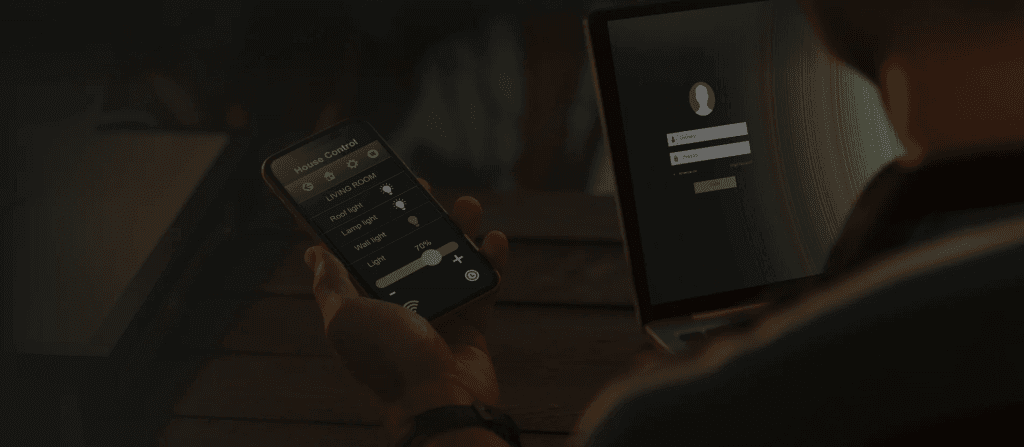
The emergence of IoT has been a boon for several industries globally for numerous reasons and the hospitality industry is no exception. Integration of IoT technology in hotels is not a new occurrence and the notion of 'smart hotels' has been adopted by many. From remote asset monitoring to automated services and energy optimization, IoT integration in hotels has helped hoteliers to improve guest satisfaction and overall revenue.
In this blog, we are going to focus on the remote asset monitoring element of hotel digitization. How IoT asset management is helping in improving performance and why hotels are adopting this strategic facilities management technique.
IoT asset management: market overview
The market for remote asset monitoring is expected to reach USD 52.04 billion by 2029, growing at a CAGR of 14.75%. When we speak of remote asset monitoring, this means that the hotels have several internet connected devices with special modules or features that allow them to send and receive data from other devices. Thanks to this data exchange, it is possible to control these devices fully remotely or to automate their functioning. Maintenance managers and owners can analyze the real-time data to make informed decisions and schedule inspections if as and when required.
Although the pandemic is no longer a threat, it has changed the way hotels function. It became crucial to reduce person-to-person contacts, and that is when smart devices that can be controlled remotely entered the game. This game-changing technology is reshaping the way hospitality establishments manage and maintain their assets, ensuring a seamless and enhanced guest experience.
Why is hotel facilities management software the need of the hour for the hospitality industry?
The significance of hotel facilities management software cannot be overstated. The program facilitates preventative maintenance plans by offering real-time insights into the operation of assets, including security cameras, HVAC systems, and room amenities, thereby reducing downtime and disturbances. Comfort and pleasure are increased when room conditions and amenities can be customized to each guest's preferences.
This encourages the guests to visit the hotel again, thereby increasing the overall revenue. Remote hotel facilities management software is a complete answer for effective asset management and a crucial tool for hotels looking to maintain their competitive edge and provide guests with a smooth, customized stay.
How Does Sclera Helps as an IoT Asset Management Software?
 In the ever-changing landscape of the hospitality sector, the adoption of remote asset management is revolutionizing operations and enhancing guest experience. Sclera as a hotel facilities management software, acts as a vital tool for those seeking to redefine excellence in facilities management. Let us explore how Sclera aligns with key benefits of remote asset monitoring:
1. Real-time insights for proactive maintenance Gaining real-time insights into the asset's performance is one of the main advantages of remote asset monitoring for the hospitality sector. Sclera's intuitive dashboard provides a comprehensive overview of asset performance, ensuring seamless operations. Through continuous monitoring, potential issues are identified before they impact guests, allowing for proactive maintenance strategies. By avoiding expensive repairs, ranging from HVAC systems to security cameras and in-room amenities, this proactive approach to maintenance not only reduces downtime but also helps save money.
2. Elevating guest comfort and experience The hospitality business places a high priority on guest pleasure, and Sclera contributes to a superior experience through its remote asset maintenance system. To maintain ideal room temperatures, the software enables remote adjustments to room amenities and climate control.Real-time adjustments can also be made to lighting, entertainment systems, and other features through Sclera's intuitive dashboard, offering a customized and comfortable stay for the guests.
3. Efficient energy management IoT asset management gives hospitality businesses the ability to adopt greener and more energy-efficient procedures. Sclera's hotel facility management software can facilitate sustainable practices by closely monitoring and analyzing energy consumption patterns. The software identifies opportunities for optimization, aligning with eco-friendly initiatives and contributing to cost-effective energy management. This helps reduce costs over time and also improves operational efficiency.
4. Enhanced security measures In the hospitality sector, employee and visitor safety and security are of utmost importance and Sclera excels in enhancing security measures. The software integrates seamlessly with security cameras, access control systems, and alarms, providing real-time alerts for swift responses to any security incidents. Sclera ensures a secure environment for both guests and staff.
5. Predictive analytics for asset optimization Hotels can forecast when equipment is likely to need maintenance or replacement. Sclera does this by analyzing historical data using its hotel facilities management software and employs predictive maintenance algorithms. By optimizing the life span of their assets, establishments may minimize disruptions to guest services and lower the probability of unexpected failures.
6. Streamlining operations and cost efficiency Sclera streamlines hotel operations by providing a centralized platform for monitoring various assets from guest rooms to kitchen equipment. This degree of openness makes it possible to reduce costs overall, schedule maintenance tasks more effectively, and use resources more wisely. By extending the life span of equipment and averting needless downtime, Sclera ensures that hotel staff can allocate resources strategically.
Conclusion
Hospitality is one of the industries that can have the biggest advantage by adopting to IoT asset management technologies. From elevating the guest experience to optimizing operational efficiency, this technology is proving to be an asset for hotels.
With its robust features and intuitive dashboard, Sclera empowers hotels to provide an unparalleled guest experience while optimizing operational efficiency. As the industry continues to adopt digital transformation, remote asset management becomes crucial for enhanced operations and Sclera remains a vital tool for those seeking to redefine excellence in facilities management.

