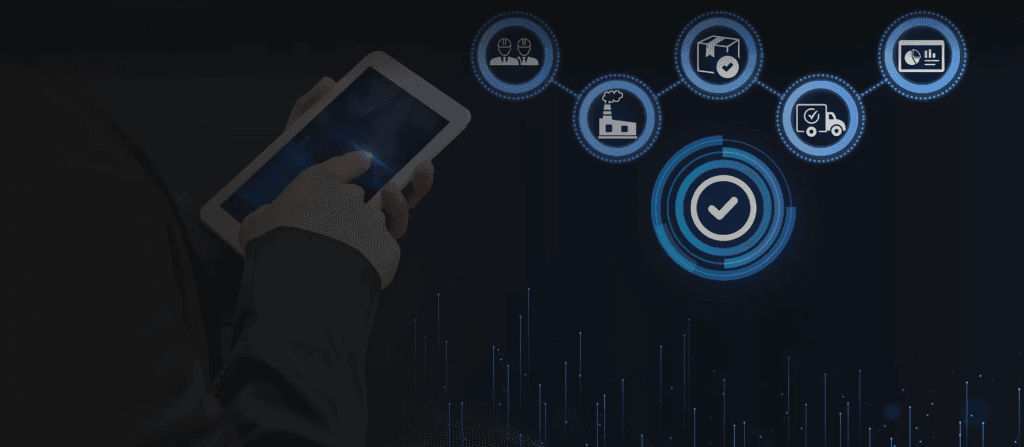
Remote asset management has become a game-changing tool for companies looking for proactive and effective ways to manage and maximize their assets. In an era where technology is the cornerstone of operational success, businesses are increasingly relying on remote asset management to improve visibility and optimize asset performance.This paradigm shift offers industries with a wide range of advantages by providing a complete approach to asset monitoring, analysis, and maintenance. Let us delve into how remote asset monitoring helps businesses in 2024 and what are its use cases in different industries.
What is Cloud-based Asset Management?
Cloud-based asset management or remote asset monitoring is a system that allows the maintenance manager to track the assets remotely, get real-time updates and schedule inspections without being present on-site. Cloud-based asset management allows you to make changes in the data and change in the maintenance work priority.
''The remote asset management market size is projected to grow from USD $16.5 billion in 2020 to USD $32.6 billion by 2025, at a Compound Annual Growth Rate (CAGR) of 14.6 percent during the forecast period.” - Markets and Markets
For cloud-based asset management, IoT and other asset tracking techniques such as wireless networks, sensors, transmitters, receivers, data processing, cloud storage, and analytics are used. These technologies work together to give managers more insight into the functioning of their assets, forecast equipment breakdown, and use fewer resources.
With cloud technology, you may run applications on your computer or smart phone and store and preserve data online. Software installation is not required, which frees up physical disk space on your computer. As a result, the remote asset management solution works well and is economical to use.
How does cloud-based asset management helps organizations?
Businesses can benefit from asset tracking solutions in numerous ways. For businesses, this automatic remote monitoring streamlines the operational process. Here are some benefits:
Data security: Cloud-based asset management offers data security by keeping the data in encrypted form. It is an essential aspect given the fact that cybercrimes are increasing daily.
Economical: Another way in which cloud-based asset management helps organizations is that it saves the space and expense for infrastructure. It also optimizes maintenance costs by detecting any anomalies before they increase the risk of downtime and incur more expenses.
Centralized data: Furthermore, it auto maintains the data and keeps it centralized for employees to retrieve information easily. It especially helps if the person is in a remote location.
Real-time alerts and notifications: Asset tracking solutions offer automated alerts and push notifications, improving functional efficiency. Managers get alerts for scheduled inspections and repairs, and set alerts such as time-based alerts and custom alerts. This fosters clear communication and reduces manual follow-up.
Track history of assets: With the help of asset tracking solutions, managers can track the history of assets/equipment such as usage, repair, and maintenance. This can help in planning for future developments.
Applications of Remote Asset Monitoring Across Industries
 With the advancement of IoT technology, different industries are utilizing remote asset management solutions for enhanced productivity and revenue. Here are some major industries using remote technology:
Manufacturing industry
The Manufacturing industry commonly leverages IoT remote asset monitoring technology. By connecting IoT devices, maintenance managers can monitor and track assets and equipment to detect problems. Corrective actions can then be taken to rectify the issues before they get too serious. These technologies can also be used by manufacturers to automate asset maintenance management duties, which will decrease downtime and boost operational efficiency.
Logistics
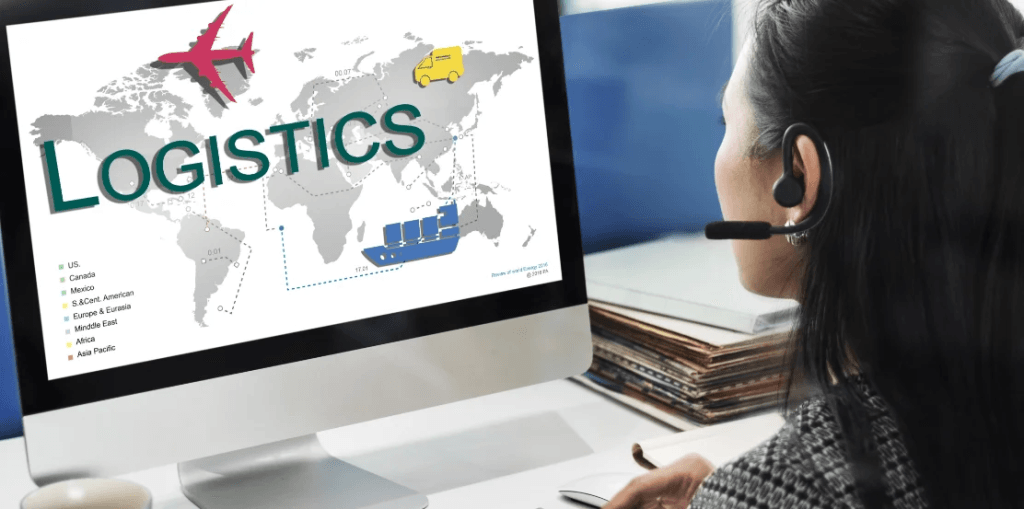
The IoT asset management solution is also extensively used in the logistics and supply-chain industry to track the shipment in real-time. This remote inventory control offers real-time visibility into where the products are located and helps the organizations better manage their supply chain. Also, organizations can use the asset tracking solution to optimize their routes and delivery times to save costs and enhance customer satisfaction.
Retail sector
Remote asset monitoring is essential to inventory management in the retail industry. Using this technology, retailers can keep an eye on product conditions, track inventory levels, and avoid situations when there are stock outs or overstocks. Furthermore, keeping an eye on the lighting and HVAC systems in stores guarantees ideal conditions and lowers energy expenses.
Hospitality
For guests to be satisfied in the hospitality sector, facilities must operate flawlessly. The operation of critical amenities including security systems, elevators, and HVAC systems can be monitored remotely. Real-time monitoring ensures the prompt identification of maintenance needs, reducing downtime and enhancing the overall guest experience.
Furthermore, the technology supports sustainability programs by optimizing energy utilization. Remote asset monitoring raises the bar for everything from room condition monitoring to guaranteeing entertainment system functionality in the hospitality sector.
Real estate
Remote access solution greatly enhances real estate management by providing managers and property owners with an all-inclusive perspective on the functionality and health of their buildings. It offers information on how well security infrastructure, HVAC systems, and elevators operate.
Maintenance managers can have remote desktop connection to keep an eye on the equipment and stop possible problems before they get worse. Remote desktop connection in real-time improves building security by protecting occupants and property. It also helps with effective property management, which lowers operating expenses and guarantees a safe and well-maintained real estate portfolio.
Healthcare
Remote access solution in healthcare enhances patient care by ensuring the optimal performance of medical equipment. Healthcare firms can now track medical equipment in real time, including beds, wheelchairs, and other high-value goods. This aids in ensuring that these supplies are effectively utilized and accessible for patient care as required.
Furthermore, the data backed up from these remote access solutions in healthcare can be used to optimize inventory management process and improve the overall operations.
Conclusion
Remote asset tracking solution is a powerful tool with profound potential across industries. Businesses across industries use this IoT technology to eliminate manual labor, save time, improve decision-making, reduce costs, and enhance customer satisfaction.
At Sclera, we understand the potential that asset monitoring solutions offer organizations. Sclera is a leading provider of digital transformation solutions and offers a platform for remote asset monitoring as well. Join us in redefining the way operations are performed through remote desktop connection for minimized downtime, reduced costs and improved communications.

