
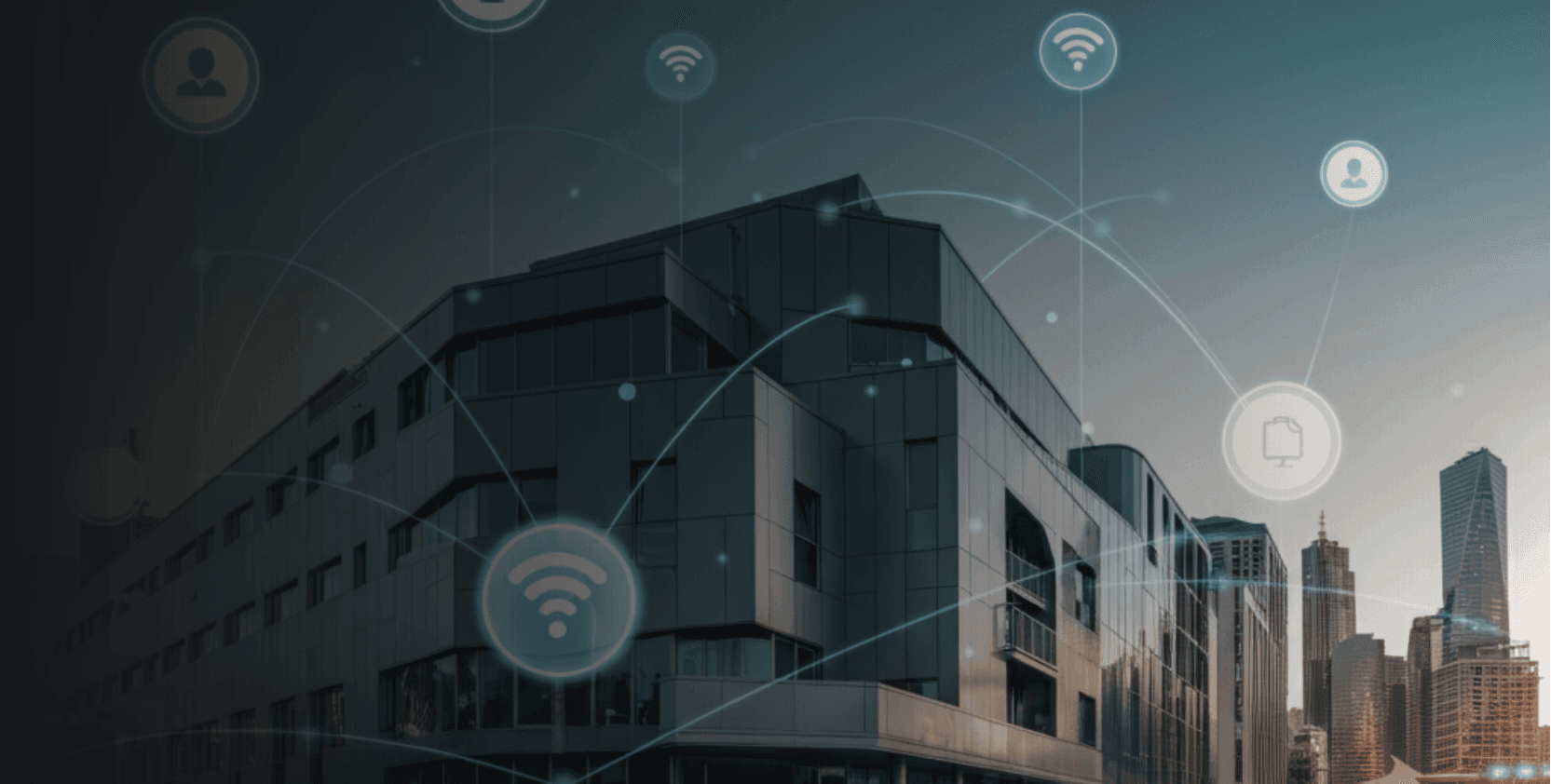
The number of connected devices in buildings is surging. From smart lighting and HVAC systems to advanced security cameras and access controls, our properties are becoming more intelligent every day. However, this rapid digital transformation has outpaced traditional building infrastructure models. Simply connecting these devices is no longer enough. To truly unlock the potential of a smart building, we must manage them effectively.
Device management is not a luxury or a "nice-to-have" IT feature; it is the foundational layer that ensures a building's digital ecosystem is secure, compliant, and reliable. Ignoring it introduces significant security vulnerabilities, compliance challenges, and operational risk in smart buildings, turning a valuable asset into a potential liability. It's time to recognize device management for what it is: the essential infrastructure backbone for modern real estate.
The shift toward smart buildings
1. From Bricks and Mortar to Digital-First Assets
The identity of a building is changing. While the physical structure remains important, value and functionality are now equally defined by digital systems. Tenants expect seamless connectivity, responsive environments, and enhanced security. These experiences are powered not by concrete and steel, but by a complex web of interconnected technologies. Modern buildings are digital-first assets, where the quality of the digital experience directly influences occupancy, efficiency, and overall asset value.
2. The Explosion of Connected Devices
The growth of the Internet of Things (IoT) has created an explosion of connected devices in buildings. IoT deployments in commercial spaces are projected to grow from 2 billion to 4.12 billion by 2030, according to Memoori’s latest research. Properties now host smart technology everywhere—sensors, controllers, HVAC units, lighting grids, and access systems. While each device brings benefits, their combined presence creates immense complexity. This sprawl, often involving multiple vendors and protocols, makes centralized oversight difficult and introduces major challenges for building operators.
3. Why Device Management Matters Now
A smart building cannot operate at a scale without a central and reliable device management backbone. Without a structured approach, operators are left grappling with a chaotic and fragmented network. Effective system governance is impossible when there’s no visibility or control over connected assets. A robust management framework turns this complexity into a streamlined, secure, and high-performing smart building infrastructure.
3 Points Why Device Management is Foundational Infrastructure
- Beyond Networking and Connectivity
Networking provides the pathways for devices to communicate, but it’s only the first step. Device management is what makes these connected devices usable, secure, and reliable throughout their lifecycle. It involves provisioning, monitoring, updating, and decommissioning every piece of hardware. While connectivity is the nervous system, device management is the brain that ensures every part works together harmoniously and securely.
- Parallels to Other Utilities
Think of device management like the other essential utilities in a building. We don't see the plumbing or electrical wiring, yet we depend on them for the building to function. In the same way, device management forms the invisible yet critical backbone for all smart operations. It works silently in the background, ensuring that every digital service—from climate control to security alerts—is delivered without interruption.
- Shifting the Conversation
For too long, device management has been viewed as "IT's problem." This perspective is outdated and dangerous. Given its direct impact on building security, operational continuity, and tenant safety, device management is an infrastructure-level responsibility. Building owners, facility managers, and IT teams must collaborate to treat the device management backbone with the same importance as the physical structure itself.
Key drivers of device management adoption
1. Security as the First Line of Defense
- Unmonitored IoT devices increase cybersecurity risks.
- Vulnerabilities can lead to ransomware, DDoS, and system breaches.
- Strong IoT security in buildings starts with visibility and regular updates.
2. Compliance and Regulatory Pressures
- New regulations require strict data privacy, cyber resilience, and ESG reporting.
- Demonstrating compliance needs complete and accurate device records.
- Compliance gaps in smart infrastructure can result in fines or legal issues without proper oversight.
3. Operational Risk and Business Continuity
- Failures disrupt building operations and tenant experiences.
- Unplanned downtime is costly and damages reputation.
- Proactive management reduces operational risk across smart environments.
The Hidden Cost of Ignoring Device Management
- Growing Complexity and Chaos
Ignoring proper oversight leads to chaos. Buildings accumulate a mix of devices from different vendors, running on legacy systems alongside newer technology. Shadow IT—devices added to the network without approval—further complicates the picture. This fragmented environment is nearly impossible to secure or govern effectively, creating a constant state of vulnerability.
- Reactive vs. Proactive Management
Without a proper framework, teams are stuck in a reactive cycle of firefighting. They only address problems after a device fails, leading to costly downtime and emergency repairs. A proactive approach, centered on a strong digital backbone, enables continuous monitoring and predictive lifecycle control. This allows teams to anticipate issues and resolve them before they impact operations.
- Financial and Reputational Risks
The costs of weak oversight extend beyond technical issues. Insurance premiums for buildings with poor cybersecurity postures are on the rise. Fines for non-compliance can be substantial. Perhaps most importantly, security breaches or operational failures erode tenant trust, making it harder to attract and retain occupants.
Building a strong device management framework
- Visibility Across the Device Landscape
You cannot manage what you cannot see. The first step in building a strong framework is to discover and catalog every single connected device across your property. This complete inventory provides the foundational visibility needed for effective building system management and security.
- Standardization and Centralization
Managing devices in silos is inefficient and risky. A unified platform that centralizes control is essential. By standardizing policies and procedures across all connected devices in buildings, you can enforce security protocols consistently and streamline management tasks, regardless of the device type or manufacturer.
- Automation and AI in Device Management
Manual device management is not scalable. Automation and artificial intelligence (AI) are key to managing modern smart building infrastructure. These technologies can automate routine tasks like patching and compliance checks. They also enable advanced capabilities like predictive maintenance and anomaly detection, helping you identify potential threats or failures before they happen.
- Integration with Building Management Systems (BMS)
To achieve true operational intelligence, your device management platform must integrate seamlessly with your existing Building Management System (BMS). This creates a unified data and control layer, allowing information from individual devices to inform broader building operations and enabling automated responses across systems.
Looking ahead — The future of device management in smart buildings
- Device Management as a Service (DMaaS)
As complexity grows, many organizations are turning to specialized providers. DMaaS is an emerging model where experts handle oversight, monitoring, and maintenance of the entire device ecosystem. This allows building owners to benefit from best-in-class practices without needing a large in-house team.

- AI and Predictive Operations
The future of system oversight is powered by AI. By analyzing vast amounts of device-level data, algorithms can deliver smarter insights for predictive operations. This enables buildings to self-diagnose issues, optimize energy use in real time, and create truly responsive environments for occupants.
- A Backbone for Sustainable and Resilient Infrastructure
Effective oversight is intrinsically linked to sustainability and resilience. When systems like HVAC and lighting run at peak efficiency, they help reduce energy consumption and support ESG goals. A well-governed infrastructure also enhances resilience, ensuring a building can withstand and recover from disruptions, ultimately protecting asset value and tenant satisfaction.
Conclusion
To put it plainly, strong oversight is no longer optional. In an era where buildings are defined by their digital capabilities, treating this responsibility as an afterthought is a recipe for failure. It has become the new infrastructure backbone that supports every aspect of a modern smart building—from operational efficiency and security to tenant experience and sustainability.
Its role is as fundamental as the electrical and plumbing systems we have long considered essential. Building owners, IT professionals, and facilities managers must come together now to prioritize this backbone as a foundational investment. The future value, security, and resilience of your assets depend on it.

