
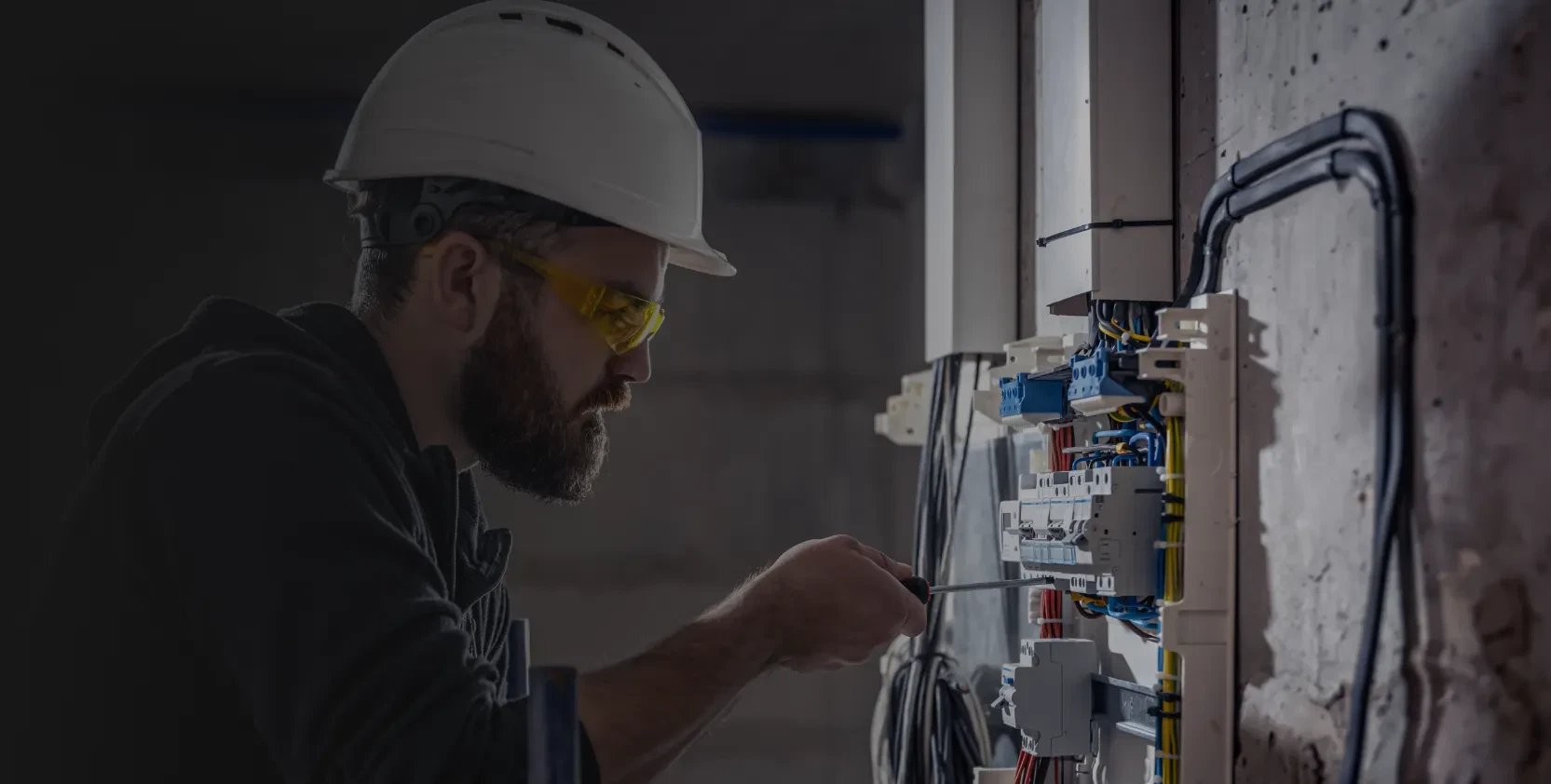
As modern-day facilities are evolving due to continuous digitization and other social and environmental factors, facility maintenance practices also need to be redefined. Facility maintenance is the cornerstone for ensuring smooth operations and a conducive environment for both employees and visitors. From regular inspections to adopting cutting-edge technologies, effective facility maintenance involves a variety of strategies. It helps in ensuring smooth operations with long-lasting assets and minimal unplanned breakdowns.
In this article, we will discuss some maintenance tips and tricks for building care that can elevate your facility maintenance game, promoting longevity, efficiency, and overall excellence.
What is facility maintenance?
Facility maintenance is the proactive administration and upkeep of a physical area, including a range of duties and activities targeted at ensuring the appropriate operation, safety, and life span of the facility within that space. This can apply to the surrounding property, buildings, machinery, and infrastructure. Making a space that is efficient, safe, and supportive of the activities conducted there is the core objective of facility maintenance.
Building care may include tasks ranging from snow removal to inspecting medical equipment to HVAC units. It encompasses a wide range of tasks for smooth running systems, without which it is hard to maintain consistency and productivity.
Best building maintenance tips and tricks
A facility manager has a lot of tasks to juggle between schedules, maintenance needs, safety, and client communications. Having said that, it is important to have the right work order management tool to make things easier. Here are the 20 best building maintenance tips and tricks categorized under sections that every facility manager must know:
Preventive Maintenance Tips
1) Create facility management checklist Checklists help to reduce space for errors in operations by identifying step-by-step processes to do preventive maintenance for potential issues. Without a checklist, there can be inconsistencies and the technicians can forget simple steps.
2) Develop a preventive maintenance plan Building a preventive maintenance plan is the cornerstone for keeping the assets and the facility in up-to-date condition. It extends the life span of critical systems and equipment, reducing downtime. Preventive maintenance includes routine tasks such as changing air filters and checking HVAC systems, etc.
3) Focus on specific failure models Keeping track of your asset or equipment and knowing how the issue occurred and when, helps to detect anomalies before they can affect operations.
4) Take a walkthrough to find 'small' problems
Ask your maintenance manager or janitorial company to give you a walkthrough of the facility to catch the small details you would normally overlook. Detect any issues before they get bigger. Even new paint on the walls and greasing in machinery gives new life to the overall health of the facility.
Tips For Reducing Operations Costs
5) Cut night site lighting Installing smart sensors in your facility that can be modeled for shutting off at night when the space is not occupied saves a lot of operational costs. Make the lighting available to only the entrance or main areas while saving energy in other areas.
6) Replace older lights with LEDs LEDs save more energy as compared to old bulbs. Spaces where lighting is required 24/7 must be deployed with LED lights to reduce power consumption and minimize overall costs.
7) Consider less obvious changes that can make a huge impact Doing upgrades to HVAC and other equipment may offer a better user experience but that is not the end goal here. Changes such as reducing HVAC hours, changing setback temperature, and lighting operations will reduce the reduction in electricity load, thus reducing operational costs.
8) Consider the entire life cycle costs of a building
Life cycle costs measure the cost of improvement to building infrastructure over time. If the cost of building care or system improvement offers an advantage over building operational costs, then it is considered a good investment.
Workforce Management and Communication Tips
9) Communicate with internal teams and vendors Communicating the maintenance plans and keeping the team in the loop about upcoming changes, maintenance schedules, and procedures will ensure smooth workflows. Maintaining good relationships with vendors and suppliers is also beneficial for better productivity and efficiency.
10) Optimize the use of available workspace As remote and hybrid work is the new normal, creating new designs to suit these new work modes while utilizing space, saves a lot of cost. Creating flexible workstations and distributed and mobile workspace strategy maximizes the value of the current space.
 11) Consider shifting some activities from outsourcing to in-house tasking
Activities that require less effort and skills can be done by in-house staff rather than sourcing them from outside. This saves some external expenditure and reduces operational costs.
11) Consider shifting some activities from outsourcing to in-house tasking
Activities that require less effort and skills can be done by in-house staff rather than sourcing them from outside. This saves some external expenditure and reduces operational costs.
12) Automate work order process
By automating work orders, you reduce human errors and nothing gets overlooked. Facility management tools help in creating, editing, and tracking work orders, which enhances productivity and efficiency, and eliminates inconsistency.
Tips For Leveraging Advanced Technology
13) Use facility management software to access information
Facility management software helps in gathering and streamlining data and produces analytics based on performance. It manages all the maintenance activities and tracks how many people enter the premises for security reasons.
14) Using smart sensors to reduce costs and simplifying facility management By deploying smart sensors, productivity is increased, user comfort is enhanced, and operation costs are dramatically reduced. Information about occupancy, location, count, and activity can be easily gathered.
15) Manage HVAC remotely using software tools One advantage of smart sensors in HVAC is we can monitor and control them remotely. These smart sensors can also adjust themselves based on occupancy, thus saving energy and operational costs.
16) Using building information monitoring to monitor building performance
 Using software to monitor system performance such as air, lighting, heating, water usage, etc., helps in thoughtful energy use and lowered expenses. Inventory and Asset Management Tips
17) Establish real property inventory It is the record of the facility's assets that are affixed to land. It can also include roads, parking lots, and utility systems. Having all the assets recorded is crucial in determining the maintenance schedules and requirements for every asset.
18) Implement a consistent asset tagging process Tagging assets with barcodes and serial numbers will ensure that every asset is classified and tracked which has been received. It also helps in locating assets in the company, scheduling preventive maintenance, and maintaining accurate records for auditing.
19) Track and dispose off decommissioned assets All the assets after a certain time reach their depreciation value and must be disposed of. All the disposed assets must be registered so that they are not included as the organization's assets and unnecessary efforts must not be put on the maintenance.
20) Do asset assessment and document the findings Doing an assessment of the assets and their performance and documenting the findings is also important for facility maintenance. You should know how long machinery or equipment will work and when you must replace it so that there are no inconsistencies in the operations.
Why is Facility Maintenance Important for Businesses?
Facility maintenance or building care is crucial for any organization, regardless of its size, industry, or location. It is the regular upkeep of the facility and the assets associated with it so that it functions properly. It enhances the building's appearance along with the safety, comfort, and well-being of the residents.
Here are some points why facility maintenance is crucial for businesses:
Cost-efficient: By doing routine checks of assets or equipment, you detect any issues in the infant stage and prevent asset downtime which may cost more for repair.
Occupant safety: Keeping the assets in up-to-date condition is also needed for the safety of the occupants. Regular building preventive maintenance of fire alarms, sprinklers, etc., can help prevent accidents.
Compliance: Several facilities have to follow a certain code that requires them to maintain a specific level of standards and hygiene. Failing these can result in lawsuits or even closure.
Operational efficiency: A well-maintained facility functions smoothly and without any unnecessary downtime. Regular building preventive maintenance helps in smooth operations and enhanced productivity.
Asset longevity: Regular inspection of assets or machinery increases their longevity and life span. This is especially important for businesses with large capital investments in machinery or equipment.
By embracing these building maintenance tips and strategies, you can build a resilient, effective, and efficient maintenance plan. While not every strategy works for every business or facility, facility managers can take inspiration from these strategies and implement what best suits their facility. Prioritizing prevention measures will ensure asset longevity along with cost reduction and asset reliability.

