
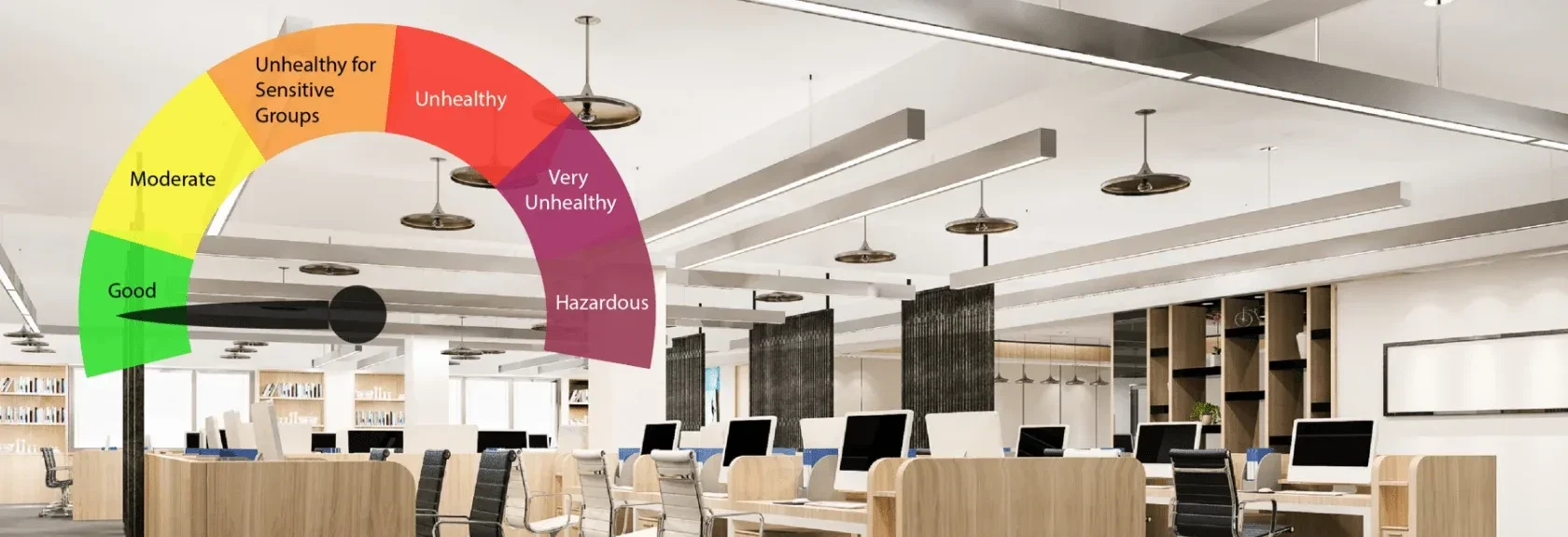
Modern commercial spaces excessively rely on air conditioning, which makes indoor air quality ( IAQ ) a critical workplace safety parameter. In this issue, we provide you with insights on how IAQ monitoring will transform the overall experience of residents in smart buildings. Besides creating a sustainable surrounding, IAQ monitoring also plays a role in preventing a potential health hazards in commercial and residential spaces.
A major twist to general perception on IAQ came during COVID when people were feeling skeptical of their safety both indoors and outdoors. This triggered the need for efficient HVACs and also for a system to monitor these appliances. Thus came into picture the IoT services for real time monitoring of business assets such as air conditioning appliances and tracking their functionality.
To make commercial spaces safer, the US Green Building Council, LEEDS and EPA laid down a limit of 600ppm on the composition CO2 for indoors. A recent study reveals that most people will be spending the majority of their time indoors. This makes IAQ monitoring even more essential to keep their homes hospitable and healthy.
Enjoy this month’s collection of insightful stories on Indoor Air Quality. Subscribe to The IoT Pulse and get your monthly dose of newsletters.
Iot is a network of physical devices that are implanted with sensors and certain software with network connectivity to collect and exchange data. By leveraging IOT sensors we can detect poor air quality in buildings, which can have significant impact on health and productivity. We can achieve this by using real-time data collected by IOT sensors and analyze IAQ( indoor air quality).
How IoT Can Improve Indoor Air Quality Monitoring
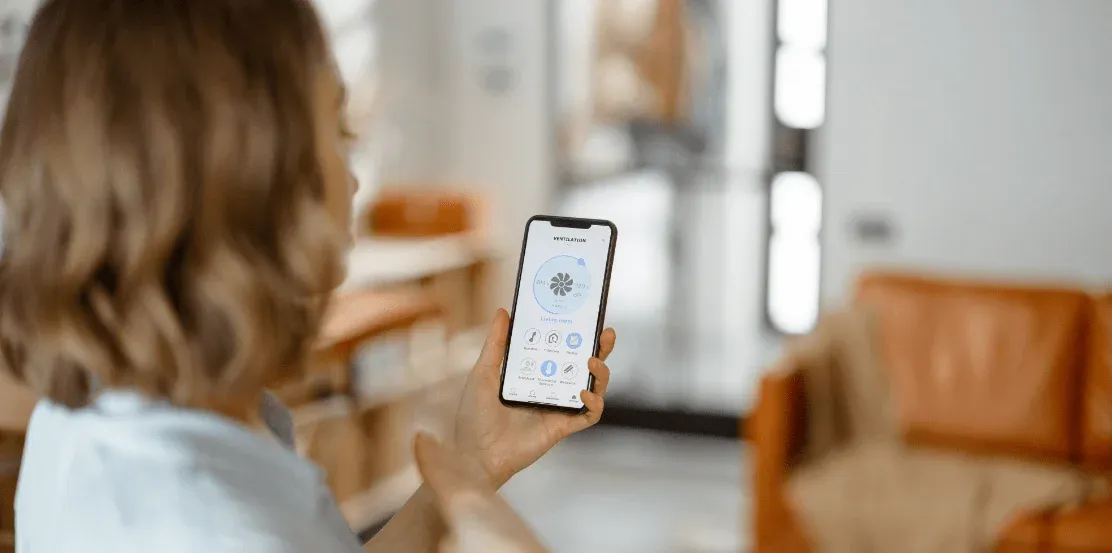
An average American spends about 90% of their time staying indoors and the air quality inside these buildings can have a significant impact on their health. Indoor air pollution can be up to 5x worse than outdoor pollution and breathing this intoxicant air can lead to diseases such as lung cancer, asthma, pulmonary fibrosis and pneumonia. Numerous studies have shown that outdoor environment present nearby buildings can infiltrate into the buildings and create more concentrated indoor pollution.
How Smart Buildings Can Improve Indoor Air Quality
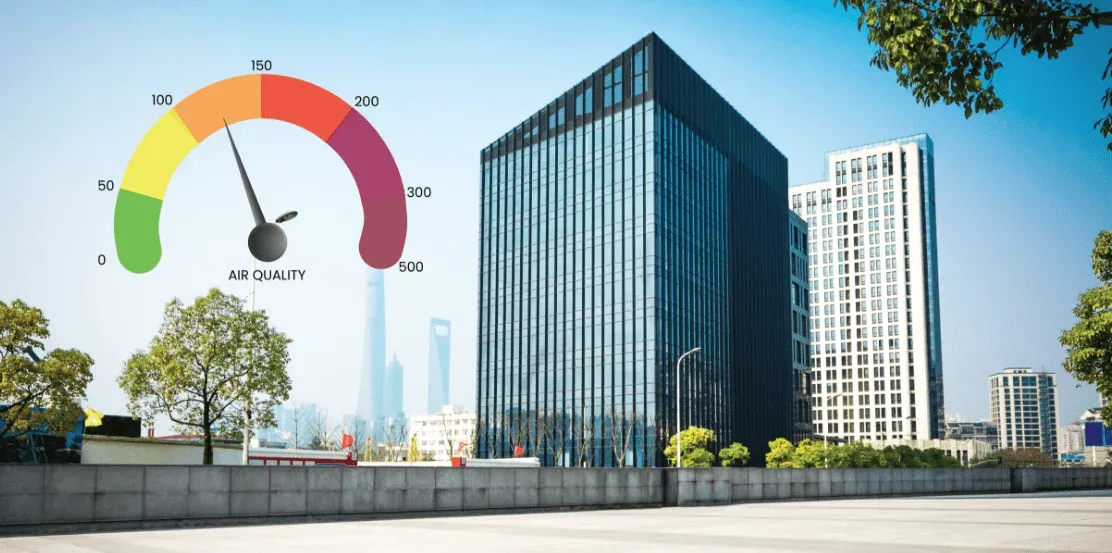
Occupants of smaller buildings have realized that indoor air quality (IAQ) is not only a issue for apartments but a problem for any kind of building. People are more aware about Indoor air quality during COVID-19 and tenants need to feel comfortable and safer indoors. Well due to the advancement of technology we can see a steep increase in various innovations which would be cost effective and specially designed for smaller building owners which would be more accessible to them.
Enhancing Indoor Environments and Monitoring Air quality in buildings
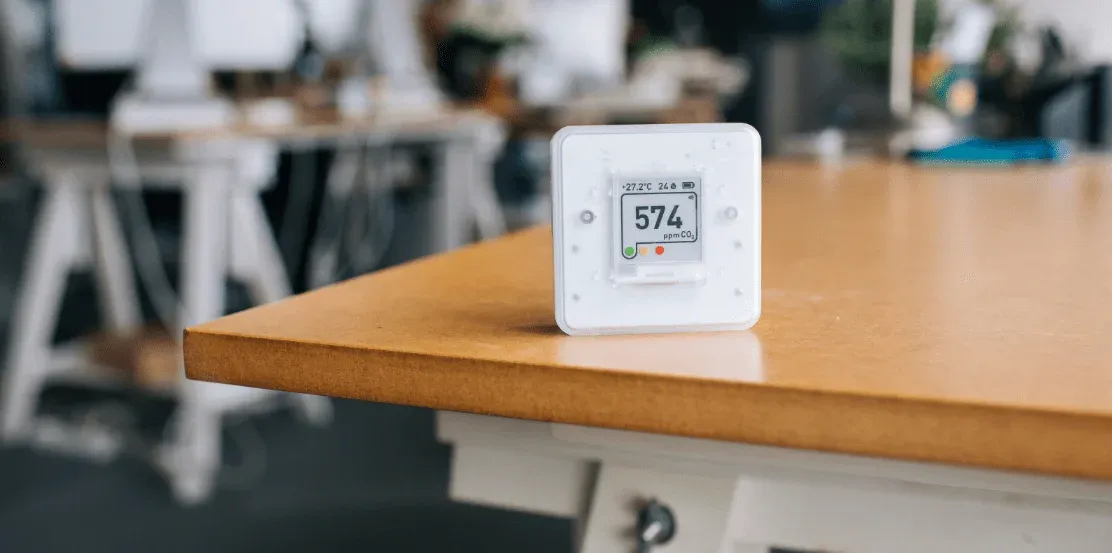 In the aftermath of COVID-19, individuals continue to have concerns about resuming their regular activities in places like airports, schools, and offices and these places are under pressure to implement stricter protocols and guidelines for maintaining a healthy indoor environment.
The health and well-being of individuals who spend a significant amount of time in indoor environments have become a subject of intense scrutiny and these issues can be avoided with implementation of smart air quality monitoring systems provides several benefits. Firstly, it allows for proactive management of IAQ, ensuring a healthier and more comfortable environment for occupants
Climate change and greenhouse gas emissions are serious problems. it is a necessity that all global citizens To address these issues, we need to adopt a collective mindset that acknowledges our responsibility as global citizens.

