

Ever felt the need to take a stroll out of the office or workspace as your brain is fogged up at work? Other than a creative block at work, it could be due to poor indoor air quality (IAQ). Given employees spend a significant chunk of their lives indoors, breathing clean air is the bare minimum and the most crucial thing that must be taken care of. The impact of a good indoor environment and office air quality can impact the health and productivity of employees.
Here are 5 easy-to-implement steps to improve IAQ and create a happier, healthier work environment for your employees.
5 Ways to Improve Indoor Air Quality:
1. Embrace the Fresh Air:
Open windows whenever possible, allowing the circulation of fresh air. Ensure to pay special attention to ventilation, especially during mild weather, as it allows the removal of pollutants. This allows fresh air to circulate and removes pollutants.
Did you know?
The year 2019 accounted for more than 3,200,000 deaths worldwide due to poor household indoor air quality and added air pollution.
2. Upgrade the Air Filter:
Replacing the air filters regularly can help relieve the dust, allergens, and other airborne particles in your HVAC system.
3. Greenery in the firm:
Decorate the office plants that contribute to purifying the air, such as snake plants, spider plants, or peace lilies. They naturally improve office air quality by absorbing toxins present. Before investing in expensive air quality solutions, a minor step such as bringing in plants to the workstation or placing these plants strategically inside the office can help regulate the air flow within the building.

3. Banish the Dust: The simple act of regular vacuuming with a filter removes dust mites, pet dander, and other allergens. The accumulated dust can irritate the eyes and airways and regularly dusting can prevent this issue.
4. Mind the Chemicals: Chemicals' presence in our day-to-day commodities is a universal truth! Limiting them and using them in moderation is the key to suppressing the adverse effects of chemicals.
Using harsh cleaning products and air fresheners releases volatile organic compounds (VOCs) into the environment and contaminates the air we breathe. Opt for natural cleaning products/solutions whenever possible to maintain indoor air and not pollute it using chemical products.
Can IoT add to the betterment of the employees in the workspace?
Read more about the top 5 use cases of implementing IoT in the workplace.
How can IoT Rescue the IAQ Failures in the Building?
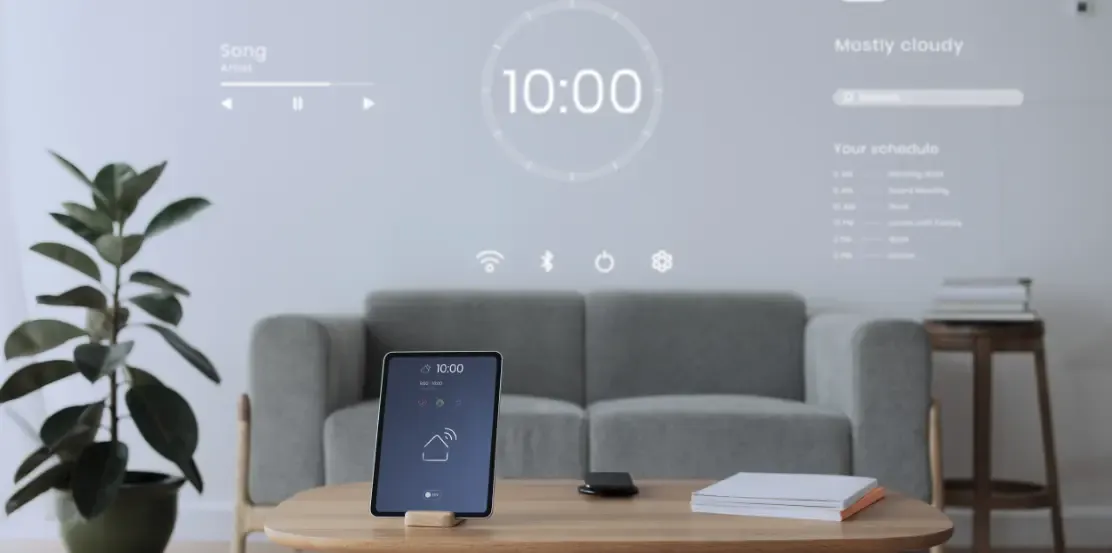 According to a forecast by Statista, the total number of IoT devices is bound to reach $29.42 billion by 2030! IoT sensors are being used to monitor every single aspect of building assets for automation of building O&M. IoT (Internet of things) is a web that gathers, comprehends and organizes huge amounts of data from diverse devices. These devices digital or not, may be connected to one or more building management systems and networks. These data are then stored in the cloud and converted into useful information using innovative languages and algorithms.
Indoor air quality is a factor that cannot be disregarded. A minor inconvenience such as a bad smell or a leaking gas will contribute to a negative experience for the resident and also compromise the safety of the building.
Here's how IoT can rescue your business from IAQ failures and mishaps.
1. Real-time monitoring:
IoT sensors are capable of constant monitoring of the devices based on the set parameters. These sensors can continuously monitor various IAQ parameters such as temperature, humidity, CO2 levels, and VOCs (volatile organic compounds), without human assistance.
With real-time data collection, building managers get an overview of issues that hamper the IAQ and work on them. This enables them to intervene promptly and tackle the issue then and there as they arise.
2. Data analytics for early issue detection:
Processing the data collected by the sensors, building managers can identify patterns, trends, and anomalies in the IAQ metrics- all of which can contribute to the betterment of indoor air quality. Early detection ensures corrective actions are taken by the building manager as a preventive measure.
3. Remote monitoring and control:
Incorporating smart monitors and sensors allows building managers to access real-time IAQ data. It can be used to control HVAC systems, air purifiers, and ventilation equipment remotely, regardless of their location in the building.
4. Building Management System(BMS) integration:
Additionally, with remote monitoring systems, the manager can take a look at the issue, create work orders, send alerts to the responsible personnel, etc. escalating the issue to the respective team. The team/alert group will receive instant alerts via email, SMS, or mobile apps, allowing them to tend to the matter as per priority and address the concern.
5. Predictive maintenance:
Forecasting of asset performance based on sensor data ensures analyzing them and retracing the equipment's health and performance based on metrics. By scheduling preventive maintenance activities accordingly, one can extend the lifetime of the asset and also ensure effective downtime is enabled.
Are you a facility manager?
Read our guide to predictive maintenance and management.
In conclusion, prioritizing indoor air quality is essential for promoting employee well-being and creating a conducive work environment. Invest in the health and comfort of the team that you work with. So, take a deep breath and get started on creating a healthier, happier workplace!

