
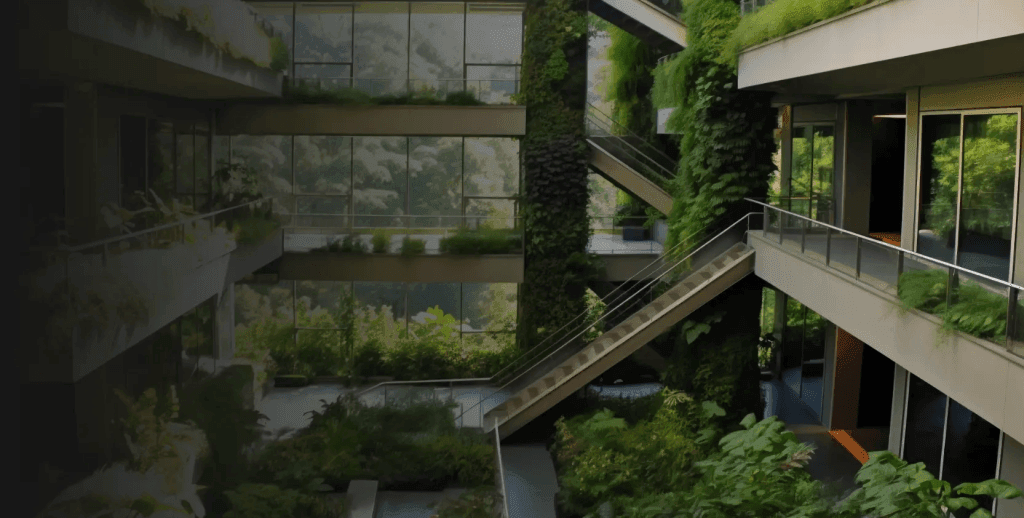
Buildings are becoming smarter. The intelligent building management systems that create smart buildings allow commercial structures an opportunity to be greener and more efficient. According to the report ''Empowering Cities for a Net Zero Future'' by the International Energy Agency (IEA), more than 50% of the world's population live in cities that produce 70% of carbon emissions. Buildings already consume 30% of the world's energy and emit 28% of its carbon emissions. However, cities and their structures are what drive the world economy and are essential to the economy. As we already know, climate change is a major concern globally, and as per the Paris Agreement of 2016, every building must reach the target of net zero building by 2050. So what exactly is net zero building and how do we get there? Before diving deeper into this concept, let us first understand what a net zero building is and why it is crucial.
What is Net Zero Building?
Net Zero Building or net zero energy Building (NZEB) is a structure that produces an equal or more amount of energy than it consumes in a year. These structures are highly energy efficient and use renewable energy resources. Net zero energy buildings (NZEB) can include elements such as insulation, high-performance glass, LED lighting, building automation systems, and distributed solar photovoltaic.
'Net Zero' refers to smart buildings that are either 'net zero energy' or 'net zero carbon'. Net zero energy buildings are both energy-efficient and have zero yearly energy consumption from utility-scale sources because all of the building's power needs are met by on-site renewable energy. Net zero carbon buildings produce net zero carbon emissions yearly. It takes a more holistic view by considering all carbon emissions associated with a building's life cycle.
Features of net zero building
Here are some of the most important and common features of net zero buildings:
1. High energy efficiency: Advanced insulation, energy-saving appliances, LED lighting, and efficient HVAC systems are all features of net zero buildings that maximize the building's energy usage. 2. Renewable energy resources: Zero carbon footprint buildings often include renewable energy sources like solar panels, wind turbines, or geothermal heating and cooling systems to produce clean energy. 3. Energy management and monitoring systems: Net zero energy buildings are characterized by advanced energy monitoring and management systems that make sure that energy use is kept to a minimum and that the production of renewable energy is maximized. 4. Optimized building orientation: Zero carbon footprint buildings are designed with elements like sunshades and big windows to maximize the use of natural light and heat and to minimize the need for artificial lighting and heating. 5. Superior insulation and airtight construction: High-quality insulation and airtight construction are used in the building envelope's design to reduce heat gain and loss and provide a constant interior temperature.
Importance of net zero building
1. Environmental responsibility: Net zero buildings are essential for cutting carbon emissions and halting climate change in a world where environmental sustainability is becoming more and more important. These structures become increasingly more crucial as the need to address climate change challenges becomes more pressing. 2. Energy cost savings: Net zero buildings provide considerable long-term cost savings due to the rising cost of energy. They let homeowners and tenants generate their energy and, in certain situations, resell extra energy to the utility company. 3. Corporate and social responsibility: Corporate social responsibility is becoming more and more important to businesses and organizations. Possessing a Net Zero Building can improve a brand's reputation and demonstrate a dedication to sustainability. 4. Health and well-being: Net zero buildings frequently offer better indoor air quality and comfort, which benefits residents' health and well-being, which is a top focus in the post-pandemic world.
How to Transform Smart Buildings to Reach Net Zero Energy?
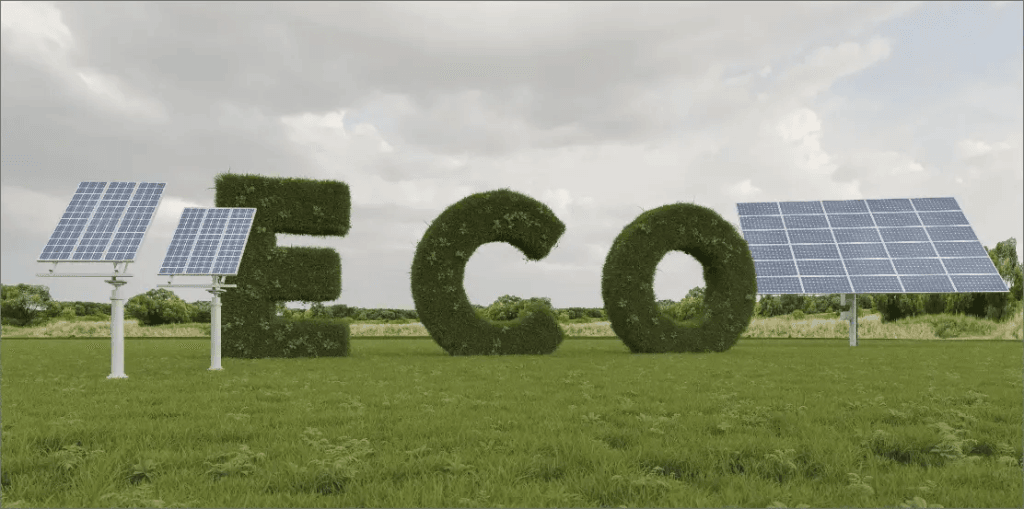 As we are aware of the climate change crisis, the idea behind net zero building is crucial. Presently, only a few energy-efficient buildings can be categorized as 'Net Zero Buildings'. Thanks to the advancement in IoT technology and renewable energy systems, creating zero carbon footprint buildings can be made possible.
As the drive to reach net zero ramps up by 2050, the role of smart building technology becomes even more crucial. The sensors deployed in the smart building collect and analyze data to optimize energy and power resources. This makes the building energy efficient and reduces carbon footprint. To use smart building technology to achieve net zero energy, a comprehensive approach combining technology, data, and sustainable practices is essential.
Here are some points to demonstrate how to leverage smart building features to achieve a net zero target.
Advanced energy management systems
Smart building technology uses cutting-edge energy management system that utilizes real-time data from IoT sensors, predictive analytics, and machine learning to automate and optimize energy is significant. These systems can monitor and optimize lighting, HVAC, and other systems that consume energy for maximum efficiency. To bring emissions down, no less than 90% of the current buildings will have to be retrofitted with smart systems.
To design a properly functioning intelligent building, it is better to hire architects and designers who are aware of the net zero technology. The type of climate and site location can have a major effect on the overall energy level of the building. Air, moisture, and the amount of daylight are different in different climates and the smart building must be prepared to combat the change efficiently to be known as a zero carbon footprint building.
On-site renewable energy
Many big commercial buildings install on-site renewable energy sources like solar panels, wind turbines, and geothermal systems. These enable intelligent buildings to produce clean energy without leaving any carbon footprint. To optimize energy output, these systems are intelligently monitored and controlled.
Energy storage solution
Intelligent building technology uses energy storage solutions like batteries to keep and store excess energy produced by renewable resources. This is an efficient way to utilize the stored energy at a time of low renewable energy generation or when energy is required in excess. It reduces the dependency on traditional sources of energy which are not environmentally friendly. It will be done easily by the smart building automation systems without compromising on energy efficiency.
Demand response strategies
Smart buildings can lower energy consumption during periods of high demand by moderating lighting or temperature settings just enough to maintain occupant comfort. These structures can exchange extra energy with the grid by interacting with it. For example, they could offer extra electricity when demand is high. Grid-independent technologies enable smart buildings to continue operating during blackouts, guaranteeing ongoing functionality.

Occupant engagement and behavior
Apart from all the smart systems, it is also important to include and educate building occupants. Through apps and interfaces, smart buildings encourage energy-saving behavior and give residents access to real-time energy data.
Intelligent buildings allow you to set parameters regarding HVAC, lighting, water usage, etc. When previously set parameters are met, the occupiers and building owners get notified. Combined with the target of achieving net zero energy or zero carbon footprint building, commercial buildings must implement the best building automation technology to meet these challenges.
Sum up In conclusion, the goal of net zero energy in smart buildings may be achieved by integrating cutting-edge technologies and techniques, making it more than just a sustainable future vision. The significance of net zero energy buildings cannot be overstated as we move towards the future. They not only dramatically lower the carbon footprint but also lower energy bills, strengthen the resilience of the energy system and improve the general performance of buildings.

