

Imagine a building, a space such as an office, a school, or even your home - having a voice and thinking for itself. It adjusts the temperature, turns the lights on and off based on room occupancy, and even keeps an eye out for security concerns. Automated buildings are music to the ears of property managers. Incorporating a Building Automation System (BAS systems) acts as the brain of your building - an intelligent smart building that can think, act, and devise a solution to the problem within the four walls.
Why should you not use a BAS? Not looking to upgrade, not looking for automation, and not interested in cutting costs with maintenance. Keen on knowing more about the transformative benefits of a BAS system? Read on.
What is a Building Automation System (BAS)?
A Building Automation System (BAS) is a centralized control system that is beneficial in automating and optimizing building operations by integrating with various existing building systems and technologies. These BAS encompasses HVAC, lighting, security, and other systems, all of which can be handled with centralized monitoring, control, and management of building functions.
Benefits of automating building with BAS
Automation of building operations has simplified the way buildings perform. These major changes have directly or indirectly impacted the pockets and well-being of the residents/employees using the building. For example, Science Direct, in one of their research listed pollutants and the standards set by the WHO (World Health Organization).
Below are a few notable benefits of upgrading a legacy building with a BAS system.
Energy Efficiency: A building automation and control system (BACS) optimizes the energy usage of the building by regulating HVAC systems, lighting, and other equipment. All of which are based on occupancy, temperature, and other factors. Innovations in the field have benefited buildings in narrowing down the approach to meet the set standards. For example, there was a 70% reduction in the energy output of HVAC systems upon using CO2-based demand-controlled ventilation (DCV).
Cost Saving: Maintenance expenses can skyrocket by not following proper guidelines. Efficient energy management can help in reducing energy waste and improving operational efficiency.
Sustainability: Building automation systems is monumental in promoting sustainable practices in buildings looking to track and minimize their energy consumption and also work on reducing their carbon footprint. Sustainable building certifications have added value to how a building is perceived. Green buildings that are certified with LEED certification have shown 25% less energy and 11% less water when compared to non-green buildings in the US and other countries.
Differentiating BAS from BMS
There are very subtle differences between BAS and BMS (Building Management System) and these terms are often used interchangeably. These BAS systems are more of building automation and control systems (BACS) typically focusing on controlling and automating building systems like HVAC, lighting, and security. Building management system, on the other hand, offers broader management functions such as asset management, space utilization, and tenant handling/billing.
Use Cases of Building Automation System (BAS)
i. HVAC optimization:
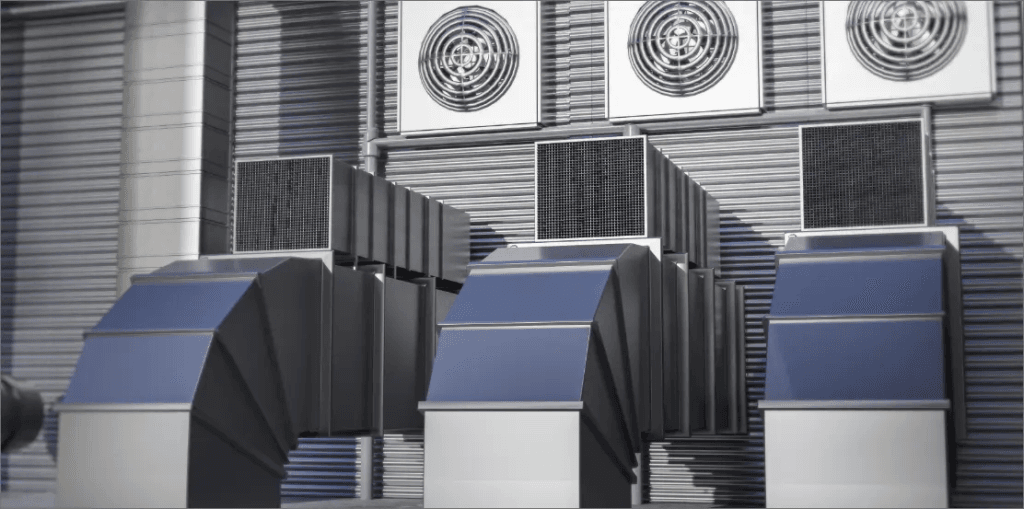
BAS system regulates HVAC systems to maintain optimal temperature and humidity levels. Occupancy-based monitoring helps in the regulation of data to help improve the comfort and energy efficiency of the occupant. A smart initiative to regulate and manage the HVAC temperature as per the number of occupants and turn it off for a vacant room. With this dynamic adjusting of settings based on occupancy and outdoor conditions, integrating with a BAS system ensures efficient operation while also minimizing energy waste.
ii. Maintenance management:
Automating building operations streamlines maintenance activities by providing real-time monitoring and diagnostics of building systems. These detect potential issues early, allowing for proactive maintenance. With scheduled preventive tactics, property managers can contribute to the usage of resources effectively by reducing downtime. An automated maintenance management system can also rollout automated alerts and comprehensive reports to enable efficient maintenance scheduling and resource allocation.
iii. Lighting control:
Controlling lighting conditions plays a major role in the motions of the inhabitants while contributing to the overall experience such as ambiance. Business owners can tap into the emotions of the occupant by optimizing energy usage and occupant comfort. It adjusts lighting levels based on natural light, occupancy, and time of day, reducing energy consumption and extending lamp life. Additionally, BAS integrates with daylight harvesting and motion sensors for further energy savings.

iv. Security enhancement:
BAS offers enhanced security through integrated access control, surveillance, and alarm systems. It provides centralized monitoring and management of security devices, allowing for quick response to security incidents. Decreased response time and access to occupancy data enable the implementation of intelligent security measures, such as adjusting access levels based on occupancy status.
It's about time businesses embrace the power of BAS to unlock the full potential of their building operations and turn complicated building processes into simple, and easy-to-handle tasks.

