
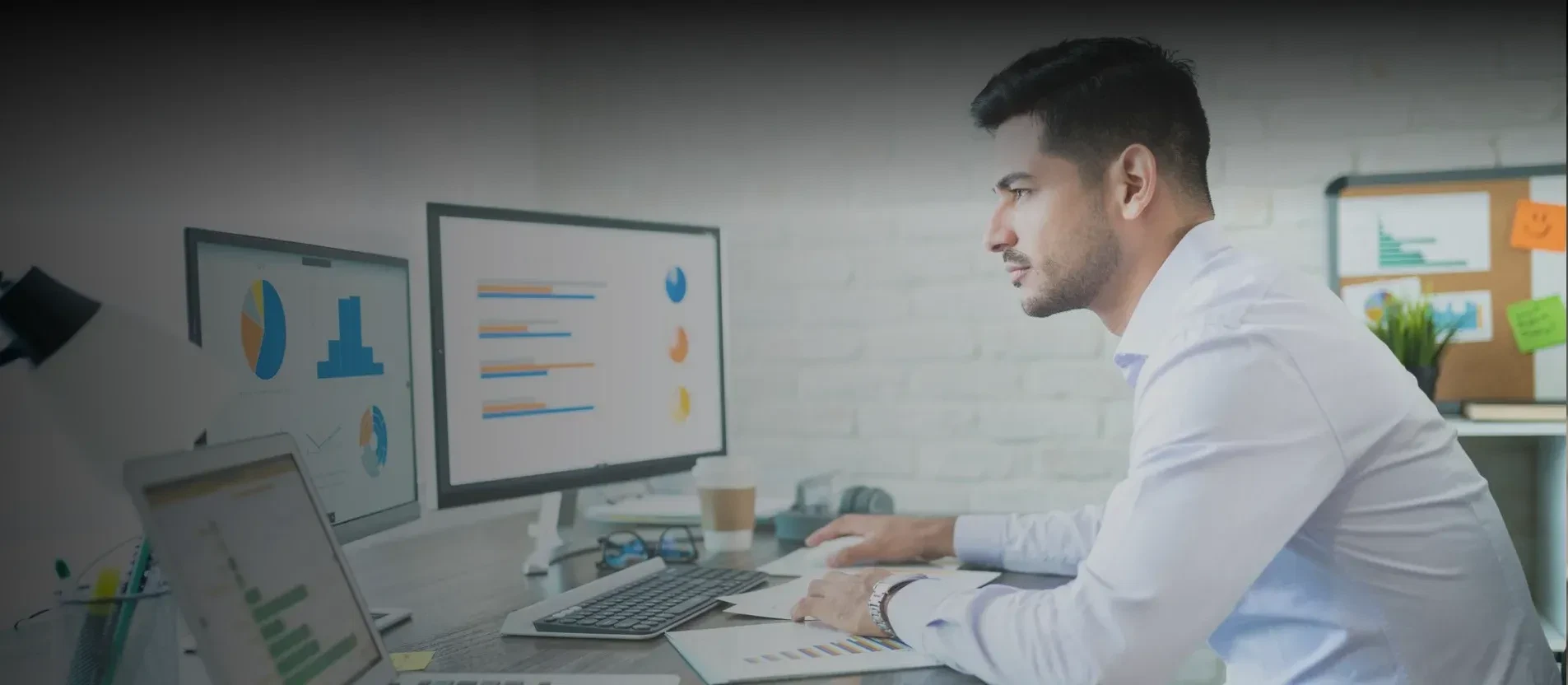
Imagine having eyes and ears everywhere in your facility, detecting potential problems before they become costly catastrophes. Whether you are managing one facility or many, having a detailed view of operations anytime, anywhere gives a great degree of control. IoT remote monitoring system does that for you. Optimizing energy usage, and ensuring the safety and comfort of the occupants – all from the convenience of your laptop or smartphone is no longer science fiction, it's the reality powered by IoT remote monitoring system.
The IoT sensors take precise measurements of your building's elements and collect data remotely. You can access it from anywhere by having it transmitted over the network and into the cloud after it has been gathered. In this blog, we will discuss the need to implement IoT remote monitoring system in facilities and the trends in development of facility management solutions.
Top reasons that specify the need to implement IoT remote monitoring system in facilities
To unlock the value of the data for optimized decision-making, IoT remote monitoring solution becomes necessary. It comes with an advanced analytics feature that transforms mere numbers into insightful information for predictive maintenance. Here are some of the benefits of IoT remote monitoring solution:
1. Data collection at low costs
To collect the data of all equipment and devices used in the facility, you might have to assign an inspector or trained technician for remote sites, which would incur unnecessary costs. The IoT sensors will collect and store the data in the cloud which you can access anytime without visiting the site or spending on technicians. Collecting information using IoT monitoring devices is easier to know the details such as environmental conditions, energy consumption, workforce management, etc.
2. Proactive maintenance
IoT remote monitoring solution uses machine learning and artificial intelligence (AI) to give insights into your remote network. Facilities managers can carry out preventative maintenance plans by closely monitoring updated info about machinery and systems in real-time. This data can help in predictive analysis and save downtime by correcting any small issue that can be a bigger problem later, thus saving equipment life span.
3. Enhanced security and safety
The Internet of Things (IoT) network can incorporate security elements like motion sensors, access control systems, and surveillance cameras. Enabling prompt reactions to security breaches and enhancing overall safety are two benefits of real-time security parameter IoT remote monitoring.
4. Scalability and future-proofing
Because IoT solutions are scalable, establishments may begin small and grow as required. Because of its scalability, the system can adapt to changing facility requirements and technology improvements.
5. Improved user experience
IoT devices installed in buildings can improve tenants' experiences. An atmosphere that is more pleasant and productive includes features like climate control, smart lighting, and customized workspaces. Users can monitor and control these devices remotely such as turn on the AC/heater prior so that the temperature is comfortable till the time they reach home.
5 Use Cases of IoT Asset Monitoring in Facility Management
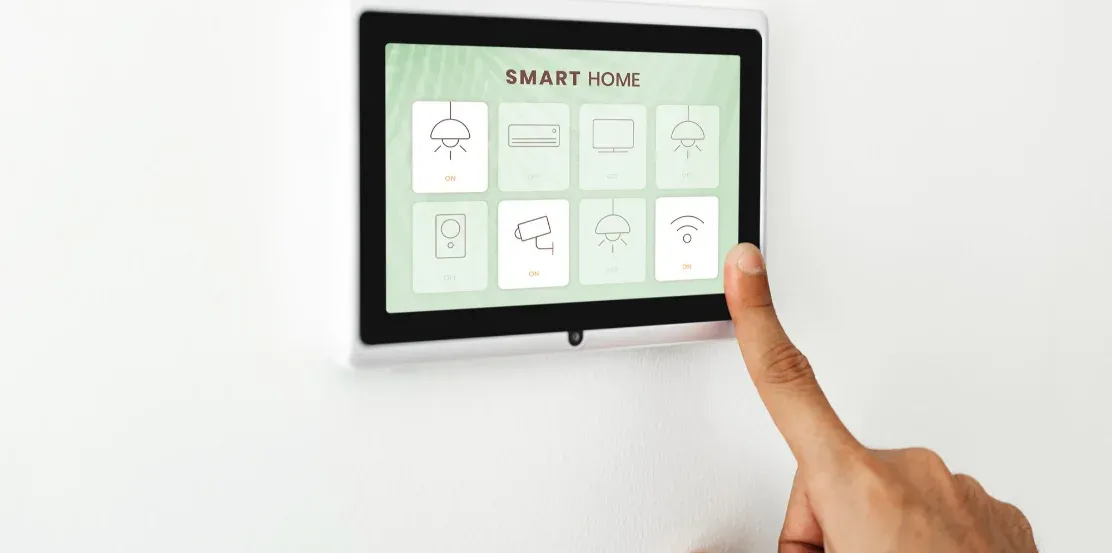
The IoT market is growing rapidly and to understand how IoT monitoring devices can be used to build a remote monitoring system, let us first analyze the use cases of remote monitoring solutions:
1. Inventory monitoring
Getting a comprehensive overview of the inventory, assets and property has become easy, thanks to IoT sensors. With the available data, facility managers can oversee the condition of the inventory even from a remote location and know when the inventory reaches a critical level. Through IoT remote monitoring system, the management can make real-time decisions and optimize logistics as well as boost productivity.
2. Safety
Satey is of utmost importance to any business and IoT is considered a cornerstone in achieving that. IoT sensors can detect fire, extreme change in temperature, unauthorized access, window glass break, etc., and instantly trigger an alarm as well as notify the relevant manager/authorities. In a high risk environment where constant communication and speed of response is one of the main conditions, such solutions are specifically useful.
3. Climate control and energy efficiency
Today, heating and air-conditioning is not just about comfort but about being energy efficient as well. Smart buildings of today have sensors that can automate the AC/heating based on the temperature outside or the number of people present in the room. Smart sensors can measure the use of resources throughout the day and detect the exact location of unnecessary use, if any. This will result in energy consumption as well as reduction in cost.
4. Room reservations For hospitality, smart scheduling systems powered by IoT monitoring devices, also called occupancy management systems, are the new game changer. The staff can know which rooms are available and which can be used for meetings in real time as the information gets updated automatically. As a result, employees can use their time and workplace more sensibly.
5. Equipment monitoring and predictive maintenance Industries such as manufacturing deal with large equipment whose proper and regular maintenance is crucial for production to run smoothly. Keeping a track manually of how these machinery are functioning is a hectic and time-consuming task. But with IoT device monitoring, it is possible not only to detect any possible issues with equipment and react to them timely but also to take proactive measures to minimize risks of downtime.
Summing Up
Implementing an IoT remote monitoring solution in facilities offers a holistic approach to optimizing operations, promoting sustainability, and delivering a superior experience for both occupants and stakeholders. However, to safeguard the data and systems from potential attacks, cybersecurity precautions must be taken into account. Furthermore, the success of IoT device monitoring implementation and integration with current systems depends on a well thought out plan.

