
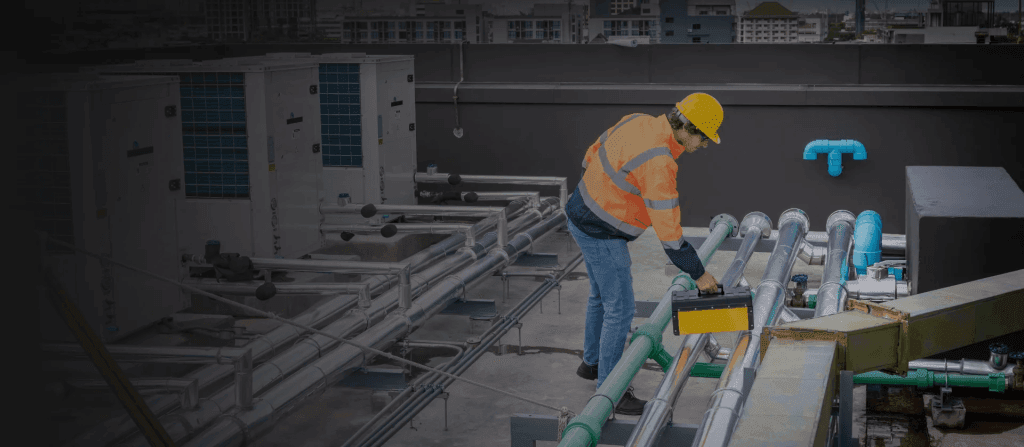
Everyone agrees that prevention is a better technique for operations management. Following certain preventive maintenance practices helps you effectively manage your commercial space. Even though the range of processes handled by businesses varies, within their core they employ the same kind of assets in their daily operations.
As modern buildings have sealed construction, proper working of the assets such as HVAC and lighting is required to maintain a healthy, safe, and productive work environment. In such a situation, malfunctioning assets can affect indoor air quality, showing signs of Sick Building Syndrome. As per a research by Harvard T. H. Chan School of Public Health on participants from six countries, it was found that office air quality impacts cognition of the employees, thus affecting their productivity.
The studies also showed that an increase in the size of particulate matters of size above 2µm present in the air or the percentage of CO2 can affect the health of the occupants. So the consistent performance of HVAC holds key to the safety and the health of the people in that building. Often businesses conduct routine maintenance using a reactive approach, but most of the time asset malfunctions never come to notice unless they escalate into a bigger issue stalling operations.
Even though some businesses do use preventive maintenance, it is usually the most inefficiently executed procedure that costs them heavily. Most often it is the routinely filled checklists without the staff actually inspecting the devices, which either leads to an unsafe situation or to hampered process causing loss of production, revenue, and customer trust.
A properly implemented preventive maintenance using CMMS software can change how businesses deal with asset maintenance. A business may find it difficult to keep track of things like an asset approaching warranty expiry date or a HVAC system needing filter replacement. A CMMS system can help you track these things in advance and inform when such maintenance is required.
A business using automated checklists eliminates inaccurate tracking of asset status, thus making sure the business has accurate data about the assets and is prepared for the future challenges. In a restaurant or commercial real estate, preventive maintenance using CMMS can prove to be even more crucial. It eliminates chances of safety hazard by ensuring that the devices such as HVAC and other electrical equipment are maintained regularly.
An unofficial practice among businesses to reserve 80 percent of tasks for planned maintenance and the remaining for unplanned maintenance can highlight the importance of preventive maintenance over reactive maintenance. Preventive maintenance helps businesses enhance asset life, reduce device downtime, and save power and productivity.
What is preventive maintenance?
 Facility managers play a critical role in ensuring smooth operations and minimizing risks. One effective way they achieve this is through preventive maintenance, which helps prevent costly repairs and avoid potential problems. By regularly inspecting and maintaining physical assets, facility managers can identify and address issues before they escalate into major problems.
Unlike reactive maintenance, which only responds to damage after it occurs, preventive maintenance takes a proactive approach. While reactive maintenance is common, it can be expensive and cause significant disruptions. While proactive predictive strategies rely on advanced technologies that may not be readily accessible to every facility. By performing regular maintenance tasks and utilizing (CMMS) software, facility managers can efficiently track and manage maintenance activities.
The adoption of preventive maintenance brings numerous benefits to facilities. By reducing the risk of breakdowns and addressing issues early on, facilities can save money on costly repairs. Furthermore, maintaining optimal operational efficiency ensures smooth operations and maximizes productivity.
How Preventative Maintenance Can Save You Time, Money.
 The guest rooms and these essential assets of a hotel are the most important assets of a hotel. These rooms provide an extraordinary and uninterrupted guest experience, when kept in perfect condition and Effective preventive maintenance in hotels relies on a deep understanding of hotel systems, equipment and utility together with strategic intervention techniques to minimize disruptions for guests and and due to its direct impact on guest satisfaction.
Preventive maintenance is highly valued by hotel managers in different maintenance approaches as preventive maintenance ensures that the hospitality experience is free of surprises ensures hotel's systems and equipment's are running smoothly and avoiding inconvenience to guests.
How to Keep Your Hotel Running Smoothly with Preventive Maintenance
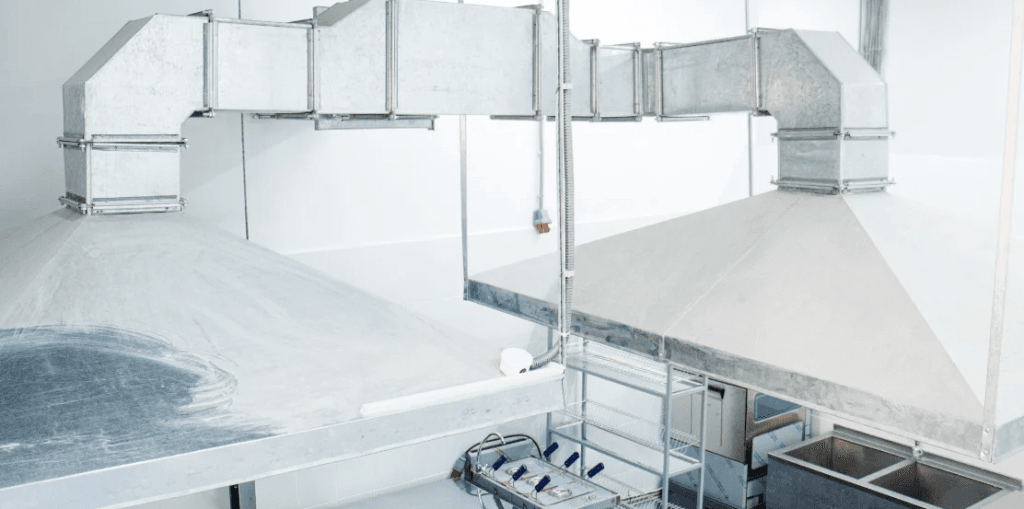 Committing to preventive maintenance in the hotel industry involves an extensive knowledge of the hotel's systems, equipment, and utilities, as well as the most effective routes of intervention. Above all, care must be taken not to interrupt the flow of hotel guests. Out of all types of existing maintenance, preventive maintenance is the most effective asset of hotel managers, as well as, directly related to satisfaction of the guests.
Sclera enables businesses to monitor building assets over a pane of glass remotely. It tracks building assets and stores important data to send timely notifications for their preventive and reactive maintenance. It continuously monitors and backs your system so that chances of unexpected breakdowns become too low. It makes sure your business is prepared for all challenges, whether it comes to getting timely service done or replacing worn out parts.

